Best Disc Prolapse Surgery in Indore
Disc prolapse, commonly known as slipped disc or herniated disc, is a painful spinal condition that can significantly affect your daily life. If you are searching for disc prolapse surgery in Indore, an experienced disc prolapse doctor in Indore, or the best disc prolapse surgeon in Indore, you need expert care, accurate diagnosis, and advanced treatment options.
Dr. Sandeep Moolchandani is a highly experienced spine specialist dedicated to providing comprehensive and result-oriented treatment for disc prolapse and other spinal disorders. With a patient-centric approach and modern surgical techniques, he is recognized as a trusted spine surgeon for disc prolapse in Indore.
What is Disc Prolapse?
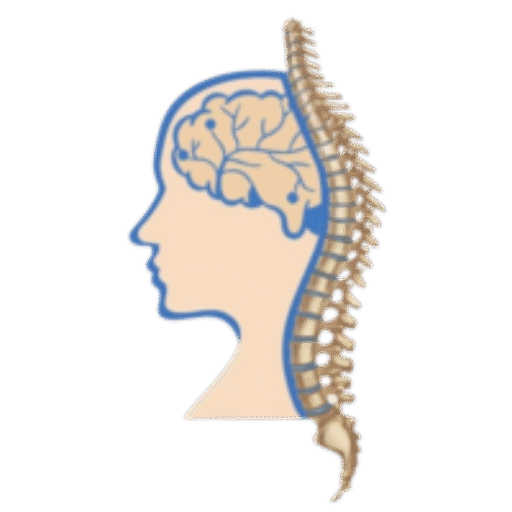
The spine is made up of vertebrae separated by soft cushion-like discs. These discs act as shock absorbers and allow flexibility. When the inner gel-like portion of the disc bulges or ruptures through the outer layer, it is called disc prolapse or herniated disc.
This condition most commonly affects the lower back (lumbar spine) and neck (cervical spine). A prolapsed disc can press on nearby nerves, leading to pain, numbness, tingling, and weakness in the arms or legs.
Seeking timely consultation from a spine specialist in Indore is essential to prevent worsening of symptoms and long-term complications.
Causes of Disc Prolapse
Several factors contribute to disc prolapse, including:
- Age-related degeneration
- Sudden heavy lifting
- Improper posture
- Sedentary lifestyle
- Obesity
- Repetitive strain injuries
- Trauma or accidents
- Genetic predisposition
As we age, spinal discs lose water content, becoming less flexible and more prone to tearing. Early consultation with the best spine doctor in Indore can help detect degenerative changes before they become severe.
Symptoms of Disc Prolapse
Symptoms depend on the location and severity of the prolapse.
1. Lumbar Disc Prolapse (Lower Back)
- Severe lower back pain
- Pain radiating to the leg (sciatica)
- Numbness or tingling in legs
- Muscle weakness
- Difficulty walking
- Loss of bladder or bowel control (rare but emergency)
2. Cervical Disc Prolapse (Neck)
- Neck pain
- Pain radiating to shoulder or arm
- Numbness in fingers
- Weak grip strength
- Headaches
If you experience persistent pain for more than a few weeks, consult a qualified disc prolapse surgeon in Indore for evaluation.
Diagnosis of Disc Prolapse
An accurate diagnosis is essential for effective treatment. Dr. Sandeep Moolchandani conducts:
- Detailed medical history
- Physical examination
- Neurological assessment
- MRI scan (gold standard)
- X-rays (to assess alignment)
- CT scan (if required)
MRI helps identify the exact location and severity of the disc prolapse, enabling precise treatment planning.
Non-Surgical Treatment for Disc Prolapse
Not every disc prolapse requires surgery. In fact, many patients improve with conservative management. As an experienced disc prolapse doctor in Indore, Dr. Sandeep Moolchandani first evaluates whether non-surgical treatment can help.
Conservative Treatment Options:
- Rest and activity modification
- Pain medications
- Anti-inflammatory drugs
- Muscle relaxants
- Physiotherapy
- Core strengthening exercises
- Epidural steroid injections
Most patients experience significant relief within 6–8 weeks with non-surgical care.
When is Disc Prolapse Surgery Required?
Surgery is recommended when:
- Severe pain persists despite conservative treatment
- Progressive weakness in limbs
- Numbness that worsens
- Difficulty walking
- Loss of bladder or bowel control
- Large disc herniation compressing nerves
In such cases, timely disc prolapse surgery in Indore can prevent permanent nerve damage and restore mobility.
Types of Disc Prolapse Surgery
Dr. Sandeep Moolchandani performs advanced and minimally invasive procedures to ensure faster recovery and minimal complications.
Microdiscectomy: A minimally invasive procedure where the herniated portion of the disc is removed using specialized instruments and a microscope. It is commonly performed for lumbar disc prolapse.
Benefits:
- Smaller incision
- Less muscle damage
- Short hospital stay
- Faster recovery
2. Endoscopic Discectomy: This is an advanced technique using a small camera and tiny instruments to remove the prolapsed disc through a very small incision.
Advantages:
- Minimal blood loss
- Quick return to daily activities
- Less post-operative pain
3. Laminectomy: In some cases, part of the bone (lamina) is removed to relieve pressure on the spinal cord or nerves.
4. Spinal Fusion: If there is instability in the spine, fusion surgery may be recommended to stabilize the affected vertebrae.
Choosing an experienced spine surgeon for disc prolapse in Indore ensures the right surgical approach tailored to your condition.
Benefits of Early Surgical Intervention
- Immediate relief from nerve compression
- Prevention of permanent nerve damage
- Improved mobility
- Reduced chronic pain
- Better quality of life
With modern techniques, recovery after disc prolapse surgery in Indore is faster than ever before.
Recovery After Disc Prolapse Surgery
Recovery depends on the type of surgery and individual health condition.
Post-Surgery Care Includes:
- Short hospital stay (1–3 days)
- Walking within 24 hours (in most cases)
- Physiotherapy
- Gradual return to work (2–6 weeks)
- Avoid heavy lifting initially
Most patients resume normal activities within a few weeks under proper guidance from the best disc prolapse surgeon in Indore.
Risks of Ignoring Disc Prolapse
Delaying treatment may lead to:
- Chronic pain
- Permanent nerve damage
- Muscle weakness
- Difficulty walking
- Loss of bladder/bowel control
Early consultation with a spine specialist in Indore can prevent complications and long-term disability.
Why Choose Dr. Sandeep Moolchandani for Disc Prolapse Treatment?
When looking for the best disc prolapse surgeon in Indore, expertise and experience matter.
Key Highlights:
- Extensive experience in spine surgeries
- Advanced minimally invasive techniques
- High success rate
- Personalized treatment plans
- Focus on non-surgical management first
- Comprehensive post-operative care
- Patient-centered approach
Dr. Sandeep Moolchandani is widely trusted for delivering effective and safe spinal treatments, making him a preferred spine specialist in Indore.
Lifestyle Tips to Prevent Disc Prolapse
Prevention plays a crucial role in spinal health.
- Maintain correct posture
- Avoid prolonged sitting
- Exercise regularly
- Strengthen core muscles
- Maintain healthy weight
- Use proper lifting techniques
- Avoid smoking
Regular spine check-ups with the best spine doctor in Indore can help detect early degenerative changes.
Take the First Step Towards a Pain-Free Life
If you are suffering from severe back or neck pain, numbness, or weakness, do not ignore the symptoms. Early diagnosis and expert treatment can prevent long-term complications.
For advanced disc prolapse surgery in Indore, consult Dr. Sandeep Moolchandani — a trusted disc prolapse doctor in Indore, experienced disc prolapse surgeon in Indore, and highly regarded spine surgeon for disc prolapse in Indore.
📞 Book Your Appointment Today
Call Now: +91-7000115912
Regain your mobility, relieve your pain, and return to a healthy, active life under the expert care of the best spine doctor in Indore.
Book an Appointment
Get In Touch
+91-917000115912
info@samarthneurospine.com
Samarth Neuro Spine Centre
G-02, Prime Arcade Building, Plot 428, Opposite CHL Hospital, near Dewas Naka, Part I, Scheme No 114, Indore, Madhya Pradesh 452010
Timing: 5pm to 8pm
Contact: +91 74772 06039
Frequently Asked Questions (FAQs)
Yes, with modern minimally invasive techniques, surgery is safe and highly effective when performed by an experienced disc prolapse surgeon in Indore.
Most procedures take 1–2 hours depending on complexity.
No. Early mobilization is encouraged for better recovery.
Recurrence is rare but possible. Following post-surgery precautions reduces the risk.
Most patients return to desk jobs within 2–4 weeks.