If someone has just had a head injury, the first priority is checking whether they’re conscious and breathing normally, keeping their neck and head still, and getting them to a hospital immediately if there’s any loss of consciousness, vomiting, or confusion. Don’t wait to see if symptoms “settle down” on their own. This article covers exactly what to do in those first critical minutes, and which signs mean you shouldn’t drive, you should call for emergency help instead.
Head injuries happen fast, a fall, a two-wheeler accident, a hit during sport, and most people freeze in the moment because they don’t know what’s actually helpful versus what could make things worse. Our team at Samarth Neuro Spine Centre put this guide together because knowing the right first steps can genuinely change the outcome.
Immediate First Aid Steps After a Head Injury
In the first few minutes, focus on these steps:
- Check responsiveness. Gently see if the person responds to their name or a light touch. If they’re unconscious, call for emergency medical help immediately.
- Don’t move the neck. If a spinal injury is possible, keep the head and neck as still as you can until help arrives, since unnecessary movement can worsen a spinal injury.
- Control visible bleeding. Apply gentle, steady pressure with a clean cloth. Avoid pressing directly on a suspected skull fracture.
- Keep them still and calm. Even if the person seems fine, avoid letting them get up and walk around immediately after a significant blow to the head.
- Watch their breathing. If breathing becomes irregular or stops, this is a medical emergency requiring immediate intervention.
- Don’t give food, water, or medication until a doctor has assessed them, especially if surgery might be needed.
Danger Signs That Mean You Need Emergency Care Right Away
Some symptoms after a head injury are urgent, not “wait and watch” situations.
Go to a hospital immediately if you notice:
- Loss of consciousness, even briefly
- Repeated vomiting
- Increasing confusion or difficulty staying awake
- One pupil appearing larger than the other
- Clear fluid or blood draining from the nose or ears
- A seizure following the injury
- Worsening headache rather than gradual improvement
- Weakness, numbness, or difficulty speaking
If any of these appear, this isn’t a situation to observe from home. Head straight to a hospital or contact a Head Injury Doctor Near Me Indore without delay.
What Actually Happens Once You Reach a Hospital
Understanding what comes next helps reduce panic in the moment.
- Initial assessment: Checking consciousness level, vital signs, and visible injuries
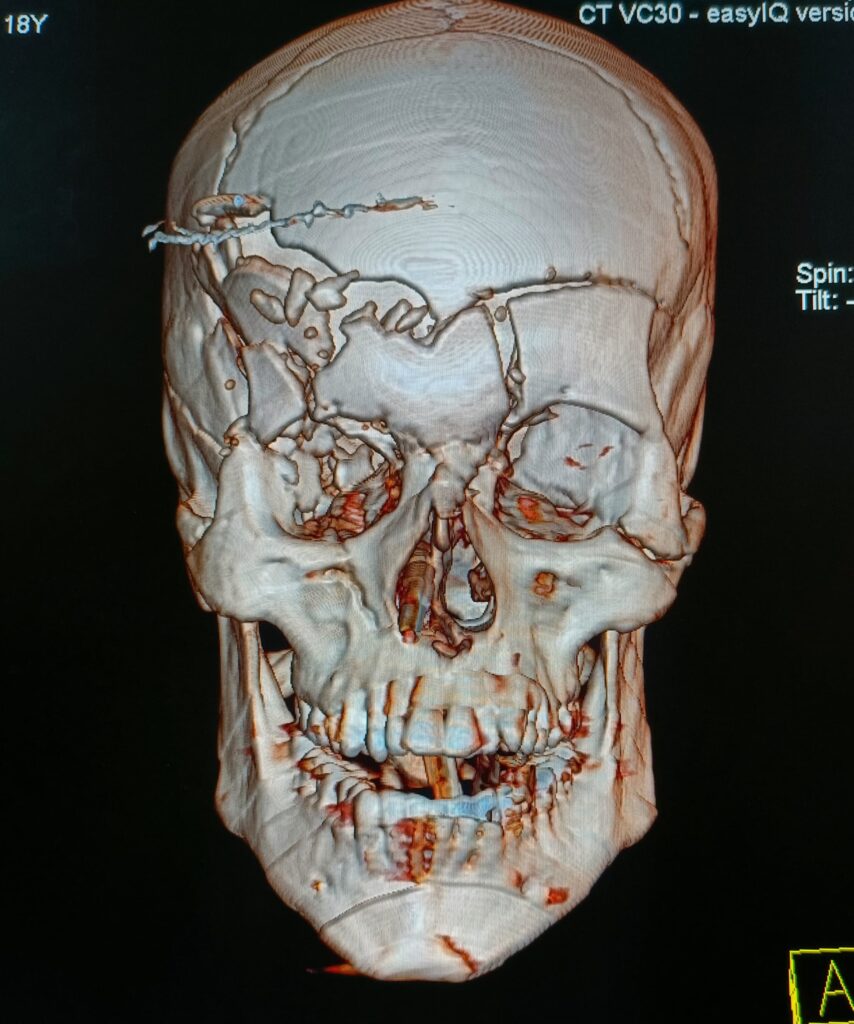
- Imaging: A CT scan is usually the first step to check for bleeding, fractures, or brain swelling
- Observation: Even mild injuries are often monitored for several hours to catch delayed symptoms
- Treatment based on findings: This can range from simple monitoring to medication for swelling, or surgery in more serious cases
Not every head injury needs surgery. Many mild to moderate injuries are managed with observation and rest, but the decision on which path applies to you should always come from a proper evaluation by a Head Trauma Specialist in Indore, not guesswork at home.
Common Mistakes People Make After a Head Injury
A few well-meaning habits can actually delay proper care:
- Assuming “no bleeding” means “no injury.” Some of the most dangerous head injuries, like internal bleeding, show no external wound at all.
- Letting the person sleep it off without monitoring. If observation is needed, someone should be checking on them regularly, not leaving them undisturbed for hours.
- Waiting to “see how it goes” despite red flag symptoms. Confusion, repeated vomiting, or worsening headache are reasons to act immediately, not delay.
- Giving painkillers before medical evaluation. Some medications can mask symptoms doctors need to assess or increase bleeding risk.
After the Emergency: What Recovery Involves
Once the acute phase is managed, recovery depends heavily on the type and severity of injury, ranging from a mild concussion to more serious trauma requiring surgery. Our Head Injury Treatment in Indore page covers the full range of treatment options, from monitoring mild concussions to surgical management of more serious brain injuries, if you want to understand the complete treatment picture beyond first aid.
Frequently Asked Questions
1. Should I let someone sleep after a head injury?
Sleep isn’t dangerous on its own, but the person should be woken periodically to check their responsiveness, especially in the first few hours after the injury.
2. Is a CT scan always needed after a head injury?
Not always, but doctors often recommend one for moderate to severe injuries, or when danger signs like vomiting, confusion, or loss of consciousness are present.
3. Can a mild head injury turn serious later?
Yes. Some bleeding or swelling develops gradually, which is why observation over the following hours matters even if initial symptoms seem mild.
4. What’s the difference between a concussion and a more serious brain injury?
A concussion is a mild, usually temporary disruption in brain function. More serious injuries involve bleeding, swelling, or structural damage, which is why any red flag symptom needs prompt imaging to tell the two apart.
5. When is it safe to give painkillers after a head injury?
It’s best to avoid medication until a doctor has assessed the injury, since certain painkillers can increase bleeding risk or mask important symptoms.
6. How soon after a head injury should I see a doctor?
Immediately for any danger signs. Even for seemingly mild injuries without red flags, a same-day evaluation is the safer choice over waiting.
Final Word
The minutes right after a head injury matter. Staying calm, keeping the person still, watching for danger signs, and getting to a hospital without delay gives them the best possible outcome. When in doubt, treat it as urgent. It’s always better to be evaluated and reassured than to wait and regret it.
If you or a family member has experienced a head injury, don’t wait for symptoms to worsen before seeking help. Contact Dr. Sandeep Moolchandani at Samarth Neuro Spine Centre for immediate evaluation and expert care. Call +91-7000-11-5912 right away.