Paralysis Treatment in Indore
Home » Paralysis Treatment in Indore
Neurosurgical Assessment and Neuro Physiotherapy for Paralysis
Find the cause first, then rebuild movement.
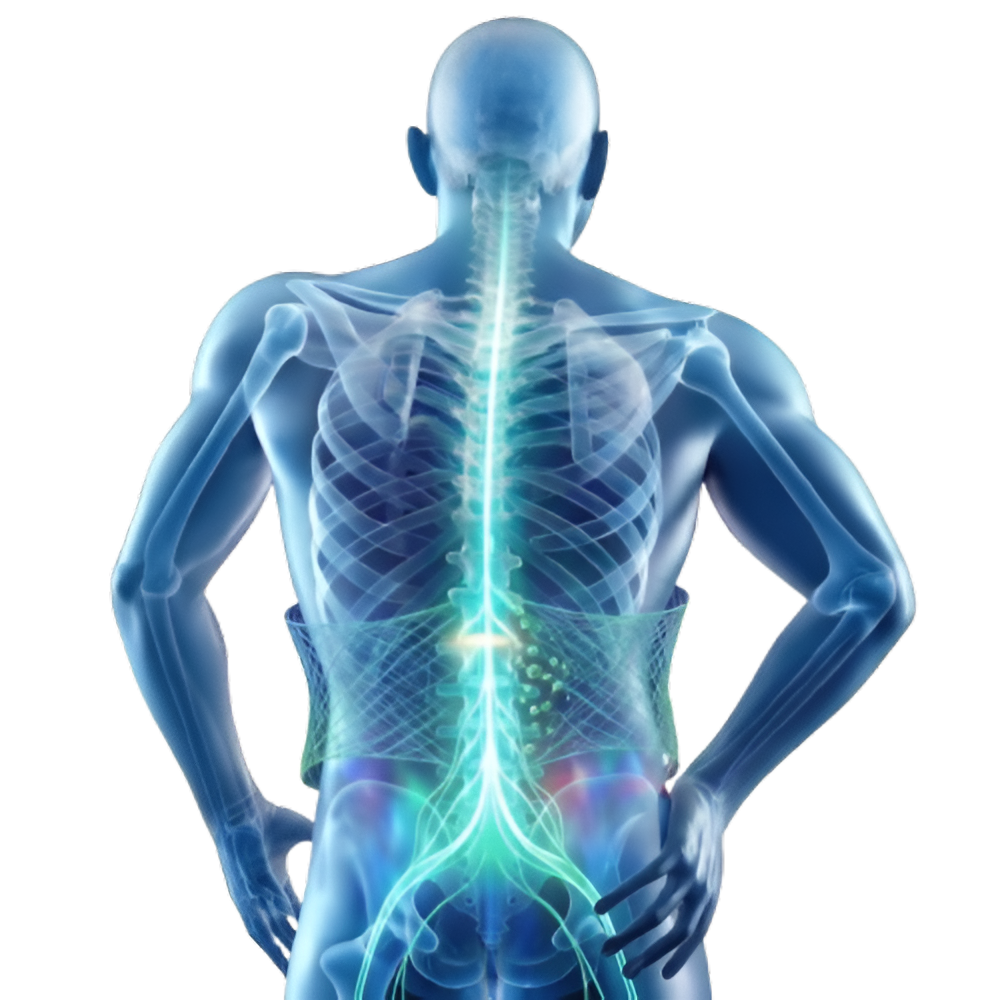
Paralysis treatment in Indore at Samarth Neuro Spine Centre starts with one question: where did the signal between the brain and the muscle break? A stroke, a pressed spinal cord, a trapped nerve and a nerve disease can all leave a limb weak. Each needs a different treatment. Dr. Sandeep Moolchandani, a neurosurgeon and spine surgeon, finds the cause. Dr. Shivani Raikwar, a neuro and spine physiotherapist, plans the recovery. Both work on one team.
Sudden weakness is an emergency. Call 108 or 112 and go to the nearest hospital with stroke care first. If weakness has built up over days or weeks, book an assessment. Slow weakness needs a proper look too.

Paralysis Treatment at a Glance
Who assesses the cause | Dr. Sandeep Moolchandani, neurosurgeon and spine surgeon |
Who plans recovery | Dr. Shivani Raikwar, neuro and spine physiotherapist (MPT, Neuro) |
Sudden weakness | Emergency: call 108 or 112 and go to a stroke-ready hospital |
First step | An assessment of the cause, before any treatment is chosen |
Appointments | +91-7000-11-5912 |
Is This an Emergency?
Call 108 or 112 and go to the nearest stroke-ready hospital now if weakness or numbness comes on suddenly, especially with any of these:
A face that droops on one side
An arm or leg that will not lift or feels dead

Slurred speech or trouble understanding

Sudden loss of balance or vision, or a severe headache
Weakness after a fall, accident or blow to the head or back
Loss of control of urine or stool
Weakness or tingling that spreads upwards over hours or days, or any trouble breathing or swallowing
Note the time the symptoms began and tell the hospital. In stroke, treatment works best in the first hours, so do not wait to see if it passes, and do not stop for home remedies, oil massage or a long journey to a specialist. We can help with the next steps once the emergency has been dealt with.
If the weakness has built up over days or weeks, call us. It still needs a proper look.
Why Paralysis Is a Symptom, Not a Diagnosis
Paralysis feels like one problem. It is not. A leg that will not move can be a stroke in the brain, pressure on the spinal cord in the neck, a trapped nerve at the back or a nerve that has stopped working. The leg looks the same in each case. The treatment is completely different.
So the question that decides everything is where the signal broke. That is why the first visit is about the cause. Treating the wrong thing wastes time, and time matters in brain and nerve recovery.
Common Causes of Paralysis: Where the Signal Breaks
| Where the problem is | What it looks like | Common causes | Start here |
|---|---|---|---|
| Brain | Weakness on one side of the body, face droop, speech trouble, usually sudden | Stroke, bleed, tumour, head injury | Brain Stroke Treatment in Indore |
| Spinal cord | Weakness or loss of feeling in both legs, or arms and legs, trouble with bladder or bowel | Injury, fracture, tumour, severe neck or back compression | Spinal Cord Injury Doctor in Indore |
| Nerve roots | One leg or arm weak, pain, tingling, a foot that drags | Slipped disc, narrowed canal | Slip disc treatment |
| Neck spine | Clumsy hands, stiff legs, trouble walking, numb arms | Cervical spondylosis pressing on the cord | Neck pain treatment |
| Nerves | Weakness that spreads upwards over days, or one side of the face only | Guillain-Barre syndrome, Bell’s palsy, other nerve diseases | Assessed here, then guided to the right care |
Going deeper by cause:
A drooping face can be Bell’s palsy or a stroke, and only an examination can tell them apart, so treat a sudden droop as an emergency first.
For a wider guide to warning signs, read brain and nerve symptoms you should not ignore. Hindi readers can read लकवे का इलाज इंदौर में: दिमाग, रीढ़ या नसों की समस्या कैसे पहचानें.
Types of Paralysis in Plain Language
Monoplegia
one limb, for example one arm after a nerve injury.
Hemiplegia
one side of the body, most often after a stroke
Paraplegia
both legs, usually from a spinal cord problem
Quadriplegia (tetraplegia)
both arms and both legs, usually from a spinal cord problem in the neck.
Facial paralysis
one side of the face, as in Bell's palsy. A sudden droop still needs an emergency check to rule out stroke.
How Paralysis Is Diagnosed
A detailed history
how fast the weakness came, what else happened, past illnesses and medicines.
A full nerve examination
strength, reflexes, feeling, balance and walking.
The right scan for the suspected site
MRI of the brain or spine, or a CT scan when time matters.
Nerve tests
such as nerve conduction studies, where a nerve or muscle cause is suspected.
By the end of your visit, you will have a clear understanding of the diagnosis, available treatment options, and the recommended next steps in your care.
Paralysis Treatment in Indore: What We Do and When
Treatment follows the cause. The usual order is:
Stop the damage
A stroke needs emergency hospital care. A tumour or a spinal cord under pressure may need surgery. A nerve disease may need medicines. Dr. Moolchandani checks whether there is a surgical cause and advises the safest option, which is often not an operation.
Start rehabilitation early
Rehabilitation does not have to wait for full healing. Once your doctors say it is safe, early guided movement helps protect joints and muscles and trains the brain and nerves to relearn. Dr. Raikwar builds the plan around you.
Keep going
Recovery takes months. We review your progress at regular visits, change the plan when you improve or stall, and give you a home program so the work continues between visits.
When Surgery Helps and When It Does Not
Surgery may help | Surgery will not help |
Pressure on the spinal cord or a nerve that can be removed, such as a disc, bone or tumour | Damage that has already happened in the brain after most strokes, where rehabilitation is the main treatment |
A brain tumour or blood collection pressing on the brain | A spinal cord that has been cut or crushed beyond repair, where the aim is to protect what remains and rebuild function |
An unstable spine fracture that threatens the cord | Nerve diseases like Guillain-Barre, where medicines and supportive care are the treatment |
An operation can only remove a cause. It does not repair what was lost, which is why rehabilitation is the other half of treatment.
Physiotherapy for Paralysis in Indore: Where Recovery Is Built
Rehabilitation is where most people regain independence, and it is where we spend the most time with you.
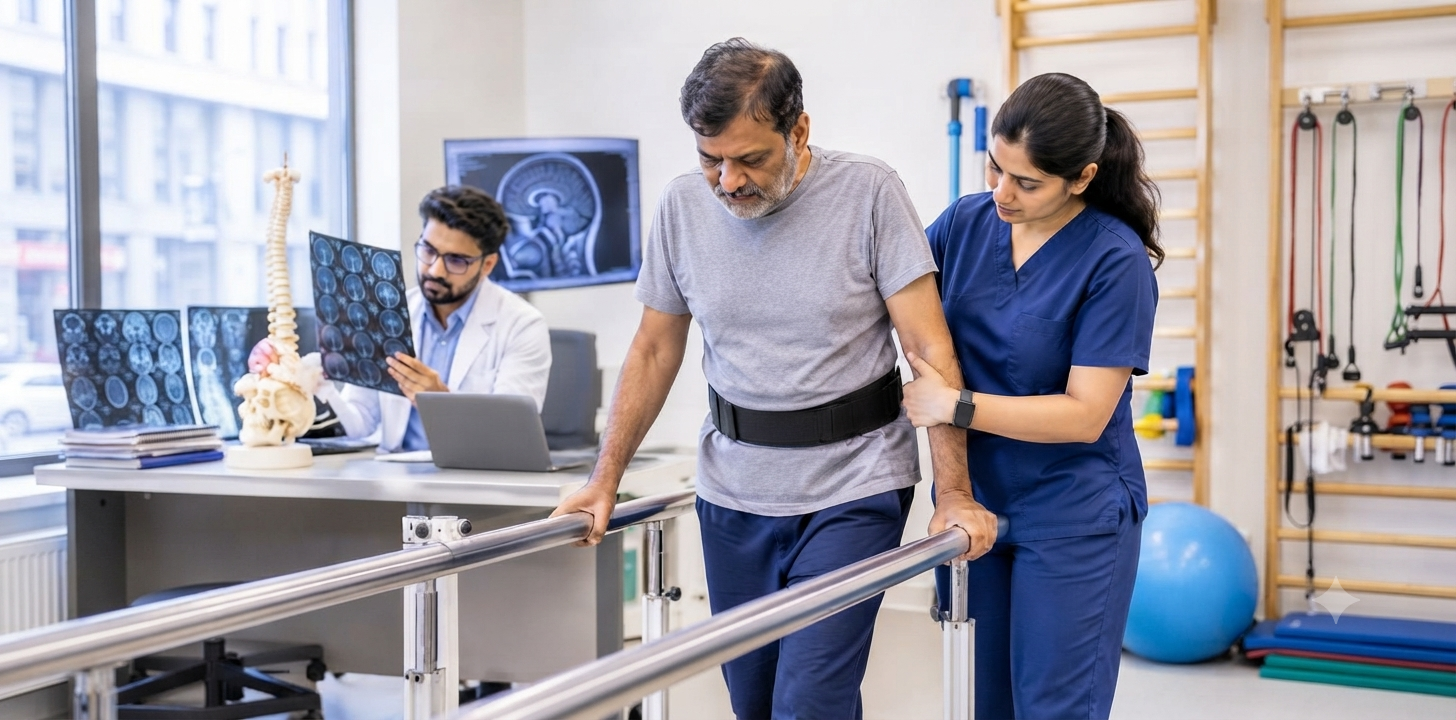
Dr. Shivani Raikwar, our neuro and spine physiotherapist (MPT, Neuro), plans a programme around what you want to get back: standing, walking, holding a cup, dressing yourself. Our Neuro Physiotherapy in Indore programme sits alongside medical and surgical care, so nothing is repeated or missed. For selected patients it includes robotic-assisted training for repeated, supported movement. You can read how it works on our page for Physiotherapy for Paralysis in Indore.
The evidence is honest and modest. A 2025 Cochrane review of gait-training devices after stroke (101 trials, 4,224 adults) found that adding them to physiotherapy probably helps more people walk independently, about one extra person for every nine treated. The benefit may not last, and walking speed did not clearly improve. That is why we use these tools where they are likely to help, and measure your progress so we can change course.
What Recovery Can Look Like
These are common patterns, not promises. Your own recovery depends on the cause and how severe it was.

After a stroke
the fastest gains usually come in the first three to six months, and many people keep improving after that.
After a spinal cord injury
most return of function happens in the first months, and some continues for a year or more. How much depends on how complete the injury is.
Bell's palsy
most people recover fully, often within weeks to a few months.

Guillain-Barre syndrome
recovery can be long, and most people improve with time and rehabilitation.
Starting early, practising often and treating the cause all raise your chances. Your own outlook depends on the cause and the severity, which is why we give you a plan after the examination, not before.
Mistakes That Cost Recovery
- Waiting at home after sudden weakness to see if it passes
- Starting oil massage, "nerve tonics" or home remedies instead of seeing a doctor
- Believing that stem cell or "miracle" treatments cure paralysis. They are not established treatments, and clinics that sell them should be questioned carefully
- Stopping rehabilitation because progress has slowed. Slow progress is normal, and gains can continue
- Seeing several doctors for the same symptoms without anyone looking at the whole picture
Which Doctor Should You See for Paralysis?
Doctor | Best for |
Emergency or stroke team | Sudden weakness. Go first, always |
Neurosurgeon or spine surgeon | Weakness with a scan showing pressure on the brain, spinal cord or a nerve, and deciding whether surgery is needed |
Neurologist | Stroke medicines, nerve diseases and long-term medical management |
Neuro physiotherapist | Rebuilding movement, balance and walking once the cause is treated |
If you are searching for a Paralysis Doctor in Indore, start with a specialist who examines you and explains the right treatment options. At Samarth Neuro Spine Centre, a neurosurgeon and physiotherapist work together to guide treatment and rehabilitation based on your condition.
Meet Your Paralysis Care Team

Dr. Shivani Raikwar | Neuro and Spine Physiotherapist.
Dr. Raikwar holds an MPT in Neuro. She leads the rehabilitation plan, from the first assessment to the home program, and works alongside Dr. Moolchandani so medical care and recovery stay in step.

Dr. Sandeep Moolchandani | Neurosurgeon and Spine Surgeon
With 18+ years of clinical experience and a DrNB in Neurosurgery, Dr. Moolchandani is a Paralysis Specialist in Indore for brain, spine and nerve-related conditions. He identifies the underlying cause of weakness and recommends surgery only when clinically necessary.
See our specialists or read about the centre.
Your First Visit: What to Expect
We listen to how the weakness began, what has changed and what you want to get back to doing.
A physical and nerve examination.
A review of your scans and reports, or a clear plan for the right ones.
A plain-language explanation of the cause and the options, with no pressure to decide that day.
A written plan for treatment and rehabilitation, with a review date.
Bring earlier scans and reports, discharge summaries and a list of medicines.
What Does Paralysis Treatment Cost in Indore?
The cost depends on the cause, the scans you need, whether surgery is required and how many rehabilitation sessions you need. Emergency hospital care is separate from clinic care. We explain the expected cost clearly after your assessment, before you commit.
Insurance cover varies by policy and by the type of care. Bring your policy details and our team will help you check what applies.
Frequently Asked Questions
It depends on the cause. A stroke needs emergency hospital care followed by rehabilitation. Pressure on the spinal cord or a nerve may need surgery. Nerve diseases may need medicines. Most people also need physiotherapy to rebuild movement.
Sometimes, and sometimes only in part. Paralysis from a treatable cause, such as pressure on a nerve or Bell's palsy, can recover fully. After a stroke or a spinal cord injury, recovery varies and rehabilitation helps people regain as much function as possible. Anyone who promises a guaranteed cure is not being honest.
The best paralysis treatment in Indore is the one that fits the cause, is started early and includes rehabilitation alongside. Look for a team that diagnoses the cause first, explains the plan plainly and offers both medical and rehabilitation care. At Samarth Neuro Spine Centre, you can see a neurosurgeon and a neuro physiotherapist on the same team.
In an emergency, go to a stroke-ready hospital first. Afterwards, a neurologist manages medical causes, and a neurosurgeon is needed if a scan shows pressure on the brain, spinal cord or a nerve. If you are unsure, a neuro doctor in Indore can examine you and tell you which you need.
Sudden weakness or numbness on one side of the body, a drooping face, slurred speech, sudden loss of balance or vision, or a severe headache. Treat these as an emergency and call 108 or 112.
Yes. Rehabilitation is the main way people regain movement after a stroke or spinal injury. Starting early and practising regularly matters most.
It varies. After a stroke, the biggest gains usually come in the first three to six months, and many people keep improving after that. After spinal cord injury, much of the recovery happens in the first months. Your plan will give you a realistic range after the examination.
Often, yes. Stroke, Bell's palsy and many nerve conditions are treated without surgery. Surgery is considered only when a physical cause can be removed, such as pressure on the spinal cord, a tumour or an unstable fracture.
Stem cell treatment for paralysis is not an established treatment, and its benefits are unproven. Be cautious about clinics that charge heavily for it, and ask for published evidence before you spend money.
Yes, you can book directly. If your assessment shows you need an emergency or hospital-based service, we will tell you at once.
The cost depends on the cause, the tests you need, whether surgery is required and how long rehabilitation lasts. We explain it clearly before you commit.
Paralysis Treatment Near Me: Find Us in Indore
Shalby Hospital
Room No 9, 2nd Floor, Race Course Road, near Janjeerwala Square, Indore
Samarth Neuro Spine Centre
G-02, Prime Arcade Building, Plot 428, Opposite CHL Hospital, near Dewas Naka, Scheme No. 114, Indore, Madhya Pradesh 452010
Searching for paralysis treatment near you is the first step. A proper assessment is the second, and it is the one that changes your outcome.
Start Your Recovery Plan
Weakness that will not go away is not something to wait out. Whether you need an assessment, a second opinion or a rehabilitation plan, our team will find the cause and lay out your options, from neurological treatment in Indore to guided recovery at the centre. Paralysis treatment in Indore works best when the cause is found early.