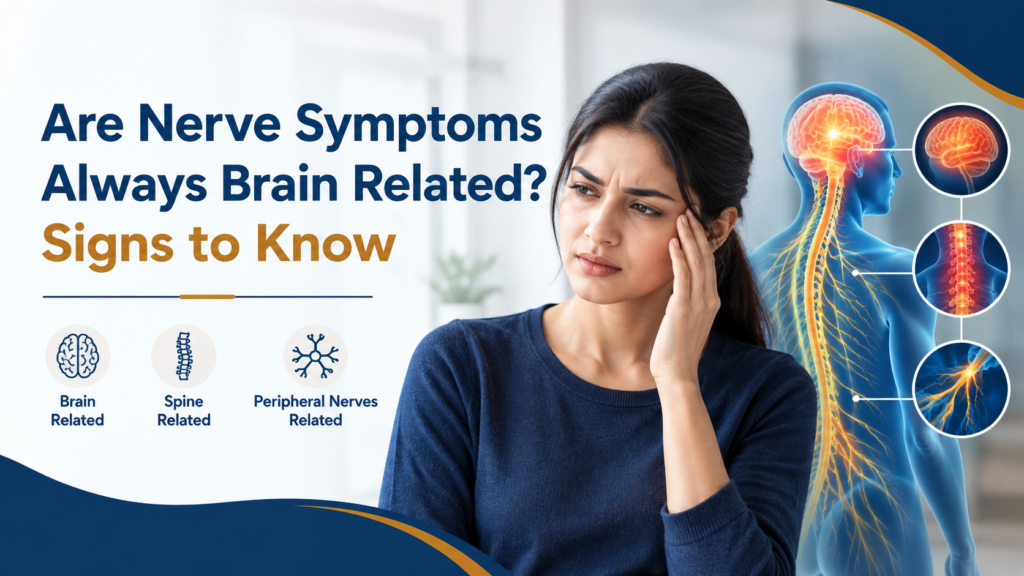
No, nerve symptoms like numbness, weakness, or tingling are not always related to the brain. Your nervous system runs from your brain down through your spinal cord and out into every limb, so a problem anywhere along that path, not just in the brain, can produce the exact same symptoms. That’s why the same complaint of a weak hand or a numb foot can have completely different causes and completely different treatments.
Most people assume any nerve-related symptom means something is wrong in the brain, and that assumption alone causes a lot of unnecessary worry. In reality, the spine is just as involved in how nerve signals travel through your body, and figuring out which part of the system is affected is the first real step toward the right treatment.
How the Nervous System Actually Works
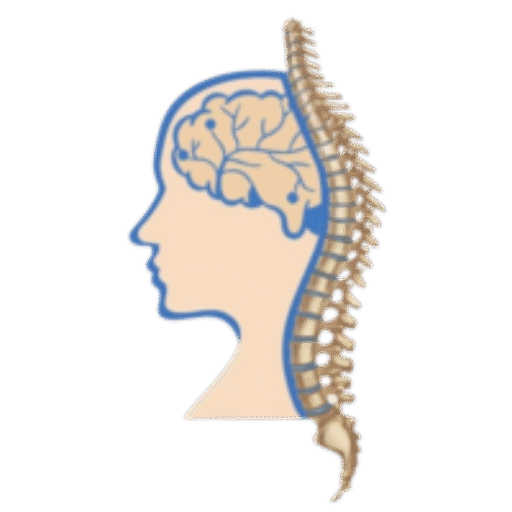
Think of your nervous system as a highway. The brain is the control center, the spinal cord is the main highway running down your back, and individual nerves are the exit roads branching out to your arms, legs, and organs. A blockage or damage anywhere on that highway, whether it’s at the brain, along the spinal cord, or at a single exit road, can cause similar-feeling symptoms downstream.
This is exactly why a Brain and Nerve Specialist in Indore doesn’t just look at the brain when someone comes in with numbness or weakness. The exam has to consider the entire pathway, because treating the wrong part of the system won’t fix the actual problem.
Symptoms That Can Come From the Spine, Not the Brain
Here are common nerve symptoms and how they can trace back to spinal issues rather than the brain:
- Numbness in the hands or feet – often from a compressed nerve in the neck or lower back, not the brain
- Sudden weakness in one arm or leg – can be spinal nerve compression, though this always needs urgent evaluation to rule out a brain-related cause too
- Tingling that follows a specific pattern down a limb – classic sign of a nerve being pinched at the spine
- Balance difficulty – can come from the inner ear, the spine, or the brain, which is why the cause isn’t always obvious without an exam
- Muscle twitching or occasional jerks – usually harmless, but persistent or frequent episodes deserve a proper look
Symptoms That Point More Toward the Brain
Some warning signs are more specific to the brain and nervous system control centers, and these should never be ignored:
- Sudden confusion or difficulty speaking
- A severe headache unlike any you’ve had before
- Loss of coordination on one side of the body appearing suddenly
- Vision changes that come on quickly
- Seizure-like episodes or unexplained jerking movements
If you notice repeated episodes that resemble seizures, that falls under Neurological Treatment in Indore, since it usually points toward the brain’s electrical activity rather than a spinal nerve issue, and needs a different diagnostic path entirely.
Why Getting the Right Diagnosis Matters
Treating a spinal nerve problem like it’s a brain issue, or the other way around, wastes time and delays real relief. A Spine Specialist in Indore and a neurologist often work through the same list of symptoms but are looking for entirely different root causes, which is why the first proper evaluation matters so much. It usually includes:
- A detailed history of when symptoms started and what triggers them
- A physical exam testing reflexes, strength, and sensation in specific patterns
- Imaging, if needed, to confirm exactly where along the nervous system the problem sits
For neck-related nerve symptoms specifically, numbness or tingling that runs down the arm rather than the leg often points to the cervical spine, a pattern covered in detail in Neck Pain With Arm Numbness? When Should You See a Spine Specialist?, which walks through that specific symptom pattern.
Frequently Asked Questions
1. If my hand is numb, does that mean something is wrong with my brain?
Not necessarily. Hand numbness is more commonly caused by a compressed nerve in the neck or wrist than by a brain problem, though sudden numbness combined with other symptoms like confusion should be checked urgently.
2. Can stress cause nerve-like symptoms?
Stress can cause tingling or a “pins and needles” feeling in some people, usually linked to muscle tension or rapid breathing, but persistent or one-sided symptoms should still be checked to rule out a physical cause.
3. What’s the difference between a neurologist and a neurosurgeon for these symptoms?
A neurologist typically diagnoses and manages nerve and brain conditions with medication and testing, while a neurosurgeon becomes involved when a structural problem, like a compressed nerve or spinal issue, may need a procedure.
4. How do doctors figure out if a symptom is coming from the brain or the spine?
Through a combination of a physical exam that tests specific reflexes and sensation patterns, patient history, and imaging like an MRI targeted at the area the exam points toward.
5. Should I be worried about occasional muscle twitches?
Occasional, isolated twitches are usually harmless. Frequent, persistent twitching, especially with weakness, is worth getting evaluated.
6. How do doctors figure out if a symptom is from the brain or the spine?
Through a physical exam testing specific reflexes and sensation patterns, patient history, and imaging targeted at the area the exam points toward.
Get a Clear Answer Instead of Guessing
Unexplained numbness, weakness, or tingling deserves a real diagnosis, not a guess about whether it’s your brain, your spine, or something else. Call Samarth Neuro Spine Centre at +91-7000-11-5912 to book a consultation and find out exactly what’s causing your symptoms.