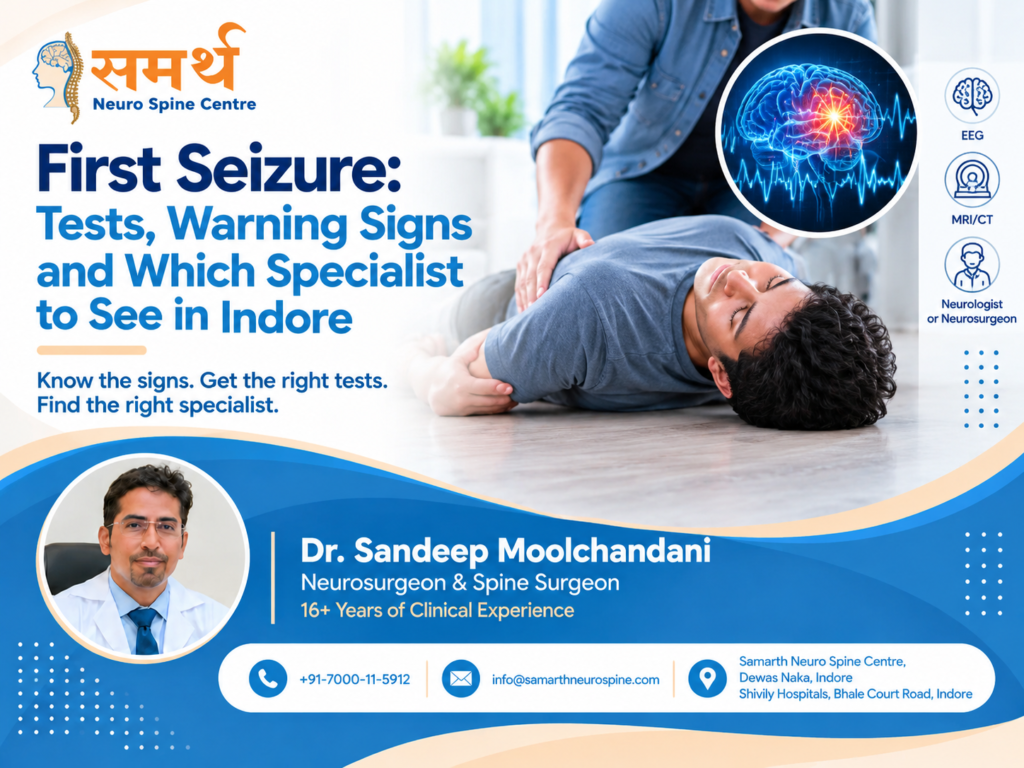
A first seizure needs a medical check within a day or two, and go to an emergency department straight away if it lasted more than five minutes or you were hurt. A neurologist usually leads the workup, which includes an MRI of the brain, an EEG and basic blood tests. A neurosurgeon joins in when a scan shows a physical cause, such asThat last point cal a tumor, a bleed or an old head injury. One seizure does not mean you have epilepsy.
Does One Seizure Mean Epilepsy?
No. Epilepsy is usually diagnosed after two unprovoked seizures more than 24 hours apart. It can also be diagnosed after one seizure when the assessment shows a high risk of more.
Many first seizures have a cause that can be found and treated:
- Very low blood sugar or low sodium
- Brain infection or another serious illness
- A recent head injury or stroke
- Alcohol withdrawal, certain drugs or medicines
- Severe lack of sleep in people who are prone to seizures
Sleep loss may make a seizure more likely, but it should not be accepted as the only explanation without a check.
When no trigger is found, the risk of another seizure is real. In adults, the American Academy of Neurology guideline estimates a 21% to 45% chance of a second seizure, mostly within the first two years. Testing helps show where you are likely to fall in that range.
When a First Seizure Is an Emergency
Go to the nearest hospital without waiting for an appointment if any of these apply:
- The seizure lasts longer than five minutes
- A second seizure follows soon after the first
- The person does not wake up or return to normal within about 30 minutes
- There was a fall, head injury or injury during the seizure
- Breathing was difficult, or the lips turned blue
- The person is pregnant or diabetic
- A severe headache, high fever, stiff neck, weakness or confusion came with it
A seizure after a blow to the head also needs a scan the same day. Our head injury first aid guide explains what to do in those first minutes.
Warning Signs Before or Around a Seizure
Some people get a short warning, called an aura. It can last seconds and gives a useful clue to the doctor.

- A strange smell or taste
- A sudden wave of fear or a feeling that “I have been here before”
- Rising feeling in the stomach
- Twitching in one hand, arm or side of the face
- Blank staring spells or brief lapses where the person does not respond
Not every seizure looks like the dramatic full body shaking people expect. Staring spells and brief confusion can be seizures too, and they are often missed.
What Should You Do During a Seizure?
Knowing basic seizure first aid can help prevent injury.
- Stay calm and note the time
- Move sharp or hard objects away
- Put something soft under the head
- Do not hold the person down, and never put anything in the mouth
- Turn them onto their side as the movements ease
- Stay until they respond normally
Call emergency services if it reaches five minutes. If it is safe, record a short video for the doctor, but never let filming delay help.
What Tests May Be Needed After a First Seizure?
There is no single test that confirms or rules out every cause of a seizure. The doctor considers the symptoms, medical history, examination and test results together:
- History and examination: what happened before, during and after, ideally from a witness, plus a check of strength, speech, vision and reflexes
- Blood tests: sugar, sodium, calcium and signs of infection
- EEG: records the brain’s electrical activity. An abnormal result raises the risk of another seizure, but a normal EEG does not rule out epilepsy
- MRI or CT of the brain: looks for a structural cause such as a tumor, bleed, scar or stroke. CT is often used first in an emergency, and MRI shows more detail
- ECG: sometimes done, because certain heart rhythm problems can look like a seizure
Not everyone needs every test on the same day. The aim is to find a cause and estimate risk, not to collect reports.
Which Specialist Should You See?
The most appropriate specialist depends on the person’s symptoms and the suspected cause.
A neurologist diagnoses the type of seizure, orders the EEG and decides about medicine. If you are searching for a Neurologist in Indore, this is usually the first appointment.
A neurosurgeon is needed when the MRI shows a structural cause, such as a brain tumor, a bleed, a blood vessel problem or damage from an old injury. A neurosurgeon also assesses whether surgery can help when medicines fail.
A Brain and Nerve Specialist in Indore can look at both sides of the picture, so you do not lose weeks moving between clinics.
Whichever doctor you choose, ask these questions:
- What do you think caused this seizure?
- Which tests do I need, and why?
- Do I need medicine right now, or can we watch and wait?
- What should I avoid until we know more?
Does Everyone Need Medication After a First Seizure?
After a first unprovoked seizure, starting a medicine can lower the chance of another seizure in the next two years, but it may not change the long term outcome. So the decision is shared between you and your doctor, based on your scan, EEG and daily life. If seizures continue, Epilepsy Treatment in Indore usually begins with one anti seizure medicine, adjusted slowly for the best control with the fewest side effects.
When medicine is needed, it works well for most people. Around two out of three patients become seizure free with the right medicine.
When Is Epilepsy Surgery Considered?
Not after a first seizure. Surgery comes into view when seizures continue despite two properly chosen and tolerated medicines, which doctors call drug resistant epilepsy.
Anyone looking for an Epilepsy Specialist in Indore at that stage needs a full evaluation first: seizure history, video EEG, a detailed MRI and sometimes extra scans. If the seizures start from one well defined area, Epilepsy Surgery in Indore may remove or disconnect that area, and carefully selected patients can become seizure free or much better controlled. Outcomes cannot be guaranteed.
At Samarth Neuro Spine Centre, Dr. Sandeep Moolchandani covers the neurosurgical side: structural causes and surgical assessment. The next step is guided by your findings, not by the scan report alone.
Before Your Appointment
- Write down when it happened, how long it lasted and what you felt before
- Ask a witness to describe what they saw
- Bring earlier scans, reports and a list of medicines
- Mention recent head injury, illness, poor sleep or alcohol
- Until you are assessed, avoid driving, swimming alone and working at heights
Frequently Asked Questions
1. Is one seizure the same as epilepsy?
No. Epilepsy is diagnosed after two unprovoked seizures, or after one when tests show a high risk of more. Many first seizures have a treatable trigger.
2. Which doctor should I see after a first seizure?
Start with a neurologist for diagnosis and testing. A neurosurgeon is added if the scan shows a structural problem or if surgery is being considered.
3. Do I need an MRI and an EEG after a first seizure?
Often both, though timing varies. The EEG shows electrical activity and the MRI or CT looks for a physical cause. Your doctor decides what is needed and when.
4. Can a normal EEG rule out epilepsy?
No. A normal EEG does not exclude epilepsy. The diagnosis rests on your history, examination and all test results together.
5. Will I need medicine after my first seizure?
Not always. It depends on the cause, your scan and EEG, and your risk of recurrence. Discuss benefits and side effects with your doctor.
6. Can stress or lack of sleep cause a seizure?
Lack of sleep can lower the seizure threshold in people who are prone to seizures. Neither should be assumed to be the cause without an assessment.
7. Can I drive after a seizure?
Not until a doctor has advised you. The restriction period depends on your situation and the rules that apply to you.
Conclusion
A first seizure is frightening, but it is also a chance to find the cause early. Get assessed promptly, ask which tests you need and see the specialist your results point to.
If a seizure has happened in your family, do not wait for a second one. Consult Dr. Sandeep Moolchandani at Samarth Neuro Spine Centre, near Dewas Naka, Indore.