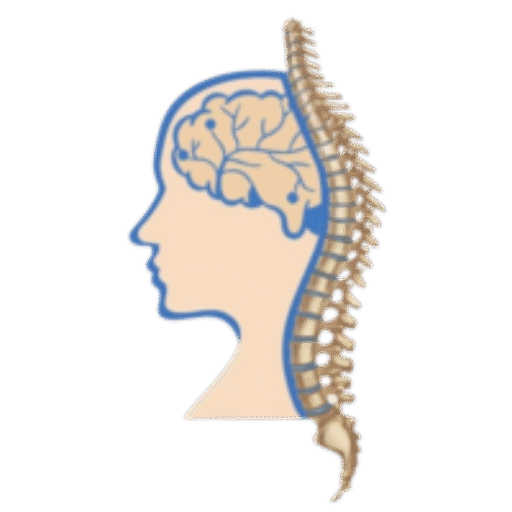

Yes, if your recommended spine surgery is not an emergency, getting a second opinion before spine surgery is almost always worth the extra week or two it takes. It costs little compared to what’s at stake, and it either confirms your surgeon was right or gives you information that changes your decision. The only time you should skip it is a genuine emergency, sudden weakness, loss of bladder or bowel control, or rapidly worsening symptoms, where speed matters more than a second exam.
If you’ve just been told you need spine surgery, it’s normal to feel two things at once: relief that there’s finally an explanation for the pain, and unease about whether this is really the right call. That second feeling is worth listening to, not brushing aside.
Why This Isn’t About Distrusting Your Doctor
A lot of patients hesitate to seek a second opinion because they worry it looks like they’re questioning their doctor. Most spine surgeons don’t see it that way at all. Spinal conditions are genuinely complicated, several different diagnoses can produce nearly identical symptoms, like neck pain, arm numbness, or leg weakness, and treatment approaches vary between specialists. A second, independent set of eyes isn’t an insult to the first opinion, it’s part of how good spine care actually works.
Here’s what an honest second opinion actually checks:
- Whether the diagnosis itself is correct, not just the treatment plan
- Whether every reasonable non-surgical option has genuinely been tried
- Whether the specific procedure recommended matches what your imaging actually shows
- Whether a less invasive approach could achieve the same result
When a Second Opinion Matters Most
Not every spine recommendation carries the same weight. A minor, well-established procedure with a clear diagnosis doesn’t always need a second look. But certain situations raise the stakes enough that it’s worth the extra step:
- You’re being told you need spinal fusion. Fusion is not reversible once hardware is in place, unlike medication or physiotherapy, there’s no undoing it if it turns out not to have been necessary.
- Surgery is recommended across more than one spinal level. Multi-level procedures carry more risk and more room for disagreement between specialists on the right approach.
- A previous spine surgery didn’t work. Revision surgery is technically harder and the reasons for the first failure need to be properly understood before trying again.
- You’ve been told minimally invasive surgery isn’t an option for you. That’s worth confirming with someone else before accepting open surgery as the only path.
- You still don’t fully understand why surgery is being recommended. If your questions haven’t been answered clearly, that alone is reason enough.
Safe Spine Surgery in Indore decisions, in particular, benefit from this kind of second review precisely because the procedures involved, fusion, decompression, disc replacement, are significant and not something to walk into with lingering doubts.
What a Second Opinion Actually Involves
Getting a second opinion doesn’t mean starting your entire workup over from scratch. In most cases, it means:
- Bringing your existing MRI, CT, or X-ray images to a new specialist rather than repeating scans unnecessarily
- A fresh clinical exam, since spine specialists generally prefer assessing symptoms directly rather than relying on notes alone
- An honest comparison of what both opinions agree on, and where they differ, if they differ at all
A Spine Specialist in Indore reviewing your case this way usually takes one consultation to give you real clarity, not a drawn-out second treatment journey.
What the Numbers Actually Show
This is worth knowing plainly. In published second-opinion research on spine surgery, roughly 30 to 50 percent of second opinions confirm the original recommendation exactly as given. But when the two opinions disagree, which happens more often than most patients expect, the second opinion tends to recommend against surgery more often than for it. That doesn’t mean the first doctor was wrong, spine cases are genuinely open to differing clinical judgment. It means a second opinion is one of the few checks in medicine that can meaningfully change the outcome of a major decision, for a relatively small cost in time.
If you’re weighing this decision for a specific condition, it helps to understand exactly what clinical signs actually justify surgery in the first place, something covered in more detail in Cervical Spondylosis Surgery: When Is It Actually Needed?, which breaks down the specific warning signs that separate “surgery is genuinely needed” from “surgery is one option among several.”
Choosing Who to Get It From
The most useful second opinion doesn’t come from just any doctor, it comes from someone with direct experience in the specific procedure being discussed. A Neurosurgeon in Indore with a background in both the diagnosis and the surgical technique in question is generally better positioned to spot something the first opinion may have missed than a general practitioner would be. It’s also worth choosing someone with no financial or professional connection to the first surgeon, so the second opinion is genuinely independent.
Frequently Asked Questions
1. Will my doctor be offended if I ask for a second opinion?
Most experienced spine surgeons expect and welcome it, since it’s a routine part of how major medical decisions get made, not a sign of distrust.
2. Do I need new scans for a second opinion?
Usually not. Bringing your existing MRI or CT scans to the second specialist is generally enough, and avoids unnecessary repeat imaging and cost.
3. How often does a second opinion actually change the treatment plan?
Research on spine surgery second opinions shows disagreement happens in a meaningful share of cases, and when it does, the second opinion more often leans toward avoiding surgery than confirming it.
4. Is it too late to get a second opinion if surgery is already scheduled?
No. A surgical consent can be withdrawn and a scheduled date moved. If you have real hesitation days before a planned surgery, it’s reasonable to pause and get another opinion first.
5. Should I get a second opinion for a minor spine procedure too?
It’s less critical for minor, clearly indicated procedures, but still reasonable if you have unanswered questions or any doubt about the diagnosis itself.
6. What if the two opinions completely disagree?
That’s actually useful information, not a setback. In that situation, a third opinion, often from a specialist with a slightly different background, helps settle which assessment fits your case best.
Get Clarity Before You Decide
If you’ve been advised to undergo spine surgery but still have doubts, getting an independent second opinion can help you make a more informed decision. At Samarth Neuro Spine Centre, you can discuss your diagnosis, review your imaging, and understand whether surgery is necessary or if other treatment options may be suitable. Call +91-7000-11-5912 to book your second-opinion consultation and move forward with greater clarity.