
If your neck pain comes with tingling, numbness, or weakness running down your arm, it usually means a nerve in your neck is being pinched or irritated, not just a muscle strain. This combination is a common sign of cervical spondylosis, and it needs proper evaluation rather than home remedies alone. The good news is that most cases respond well to timely, non-surgical care when caught early.
Neck pain on its own is common. Almost everyone gets a stiff neck from bad sleep, long hours at a desk, or scrolling on the phone for too long. But when that pain starts traveling into your shoulder, arm, or fingers, along with numbness or a pins-and-needles feeling, it’s your body telling you something more is going on. This article explains what causes it, which symptoms deserve urgent attention, and how Cervical Spondylosis Treatment in Indore actually works.
What Causes Neck Pain With Arm Numbness?
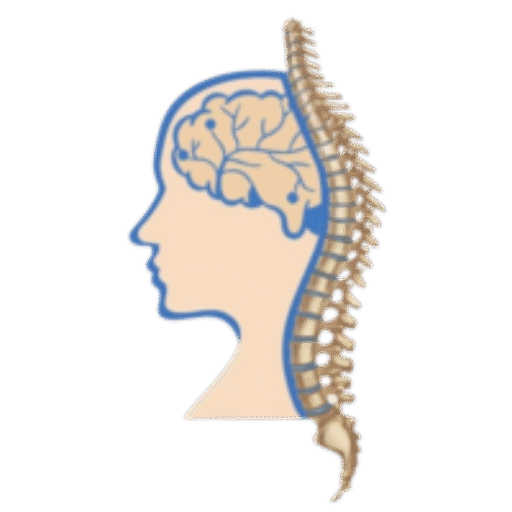
The neck houses seven small bones (the cervical spine) stacked on top of each other, with discs cushioning them and nerves running through narrow openings on either side. Over time, or due to injury, these discs can wear down, bulge, or the openings can narrow. When this happens, a nerve root gets compressed, and pain, tingling, or numbness travels along the path of that nerve, often into the arm or hand.
This condition is medically known as cervical radiculopathy, and it’s usually caused by:
- Age-related wear and tear of the neck discs (cervical spondylosis)
- A bulging or herniated disc pressing on a nerve
- Poor posture from long hours on laptops or phones
- Old injuries, whiplash, or sudden jerks to the neck
- Bone spurs that narrow the space around the nerve
Common Symptoms People Ignore
Many patients wait weeks, sometimes months, before consulting a doctor because the pain comes and goes. Here are the symptoms that are easy to overlook but important to track:
- Neck stiffness that’s worse in the morning or after sitting long hours
- A dull ache that spreads from the neck into the shoulder blade
- Numbness or tingling in the fingers, especially the thumb or index finger
- Weak grip strength, like dropping a cup or struggling to open a jar
- Pain that worsens when turning the head or looking down at a screen
If any of these sound familiar and they’ve lasted more than two to three weeks, it’s time to stop waiting it out.
Why Arm Numbness Is the Red Flag
Neck pain by itself is often mechanical, meaning it comes from muscles, joints, or ligaments, and it usually improves with rest, heat, or physiotherapy. But numbness or weakness in the arm means a nerve is involved. Left unaddressed, nerve compression can lead to lasting weakness, muscle wasting in the hand, or loss of fine motor control, things that are much harder to reverse once they set in.
This is exactly why a Neck Pain Specialist in Indore will always ask specific questions beyond “does it hurt”: where exactly the numbness travels, whether it affects your grip, and whether you’ve noticed any change in balance or bladder control (which, though rare, can signal spinal cord involvement rather than just a nerve root).
When Should You Actually See a Spine Specialist?
Not every stiff neck needs a doctor’s visit. But certain signs mean you shouldn’t wait for the pain to pass on its own.
See a spine specialist if you notice:
- Numbness or tingling that reaches past the shoulder into the arm or fingers
- Weakness when gripping objects or lifting your arm
- Neck pain that hasn’t improved after 2-3 weeks of rest and basic care
- Pain that disturbs your sleep or worsens at night
- Any change in balance, coordination, or difficulty with fine tasks like buttoning a shirt
- Neck pain following an accident, fall, or sudden jerk
A qualified spine specialist for neck pain in Indore can examine your neck movement, test your reflexes and nerve function, and recommend imaging like an X-ray or MRI if needed, rather than guessing based on pain alone.
How Cervical Spondylosis Treatment Actually Works
Here’s something worth knowing upfront: most people with cervical spondylosis never need surgery. Treatment usually follows a step-by-step approach, starting conservative and moving further only if symptoms don’t improve.
A typical treatment plan includes:
- Clinical evaluation – checking neck movement, reflexes, and nerve function to pinpoint the affected level
- Imaging – X-ray or MRI to confirm disc wear, bone spurs, or nerve compression
- Medication – anti-inflammatory medicines or nerve-specific medication to calm irritation
- Physiotherapy – targeted exercises and posture correction to relieve pressure on the nerve
- Lifestyle changes – adjusting screen height, sleep posture, and desk setup to prevent recurrence
- Minimally invasive procedures – reserved for cases where nerve compression is severe or conservative treatment hasn’t worked after a fair trial
A lot of neck pain today traces back to habits we don’t think twice about. If you’re curious how daily screen use is quietly contributing to more spine visits, this piece on how screen time is creating a new reason to visit a spine specialist breaks down the connection well.
At Samarth Neuro Spine Centre, the approach stays the same for every patient: understand the actual cause first, then treat only what’s needed, without rushing anyone toward surgery who doesn’t need it. You can read more about the full range of non-surgical and advanced options on the neck pain treatment page.
How to Prevent Neck Pain From Coming Back
Once your symptoms settle, a few daily habits go a long way in keeping them from returning:
- Keep your screen at eye level instead of looking down
- Take a break every 30-40 minutes if you work at a desk
- Sleep with a supportive pillow that keeps your neck aligned
- Avoid tucking your phone between your ear and shoulder
- Build simple neck and shoulder strengthening into your routine
Frequently Asked Questions
1. Is neck pain with arm numbness always serious?
Not always, but it should never be ignored. Mild cases often settle with rest and physiotherapy, while persistent numbness or weakness needs a proper nerve examination to rule out significant compression.
2. Can cervical spondylosis be treated without surgery?
Yes, most cases are managed successfully with medication, physiotherapy, and posture correction. Surgery is only considered when there’s severe nerve compression or no improvement despite adequate conservative treatment.
3. How long does it take to recover from cervical spondylosis symptoms?
With the right treatment, many patients notice meaningful relief within a few weeks. Recovery time depends on how long the nerve has been compressed and how consistently the treatment plan is followed.
4. What tests are needed to diagnose the cause of arm numbness?
A clinical nerve examination usually comes first, followed by an MRI if a nerve or disc problem is suspected. In some cases, a nerve conduction study helps confirm exactly which nerve is affected.
5. Can poor posture alone cause arm numbness?
Yes. Prolonged poor posture, especially from long screen time, can gradually narrow the space around neck nerves and trigger numbness or tingling in the arm, even without a major injury.
6. When is surgery actually necessary for neck pain?
Surgery is considered only when there’s significant nerve or spinal cord compression, progressive weakness, or when several months of proper conservative treatment haven’t helped.
Final Word
Neck pain that stays local to your neck can usually wait a bit and be managed at home. But once numbness, tingling, or weakness travels into your arm, it’s a sign your nerve needs attention, not just your muscles. Getting evaluated early makes treatment simpler, faster, and far less likely to need surgery down the line.
If you’ve been living with neck pain and arm numbness for more than a couple of weeks, don’t wait for it to get worse. Book a consultation with Dr. Sandeep Moolchandani at Samarth Neuro Spine Centre for an accurate diagnosis and a treatment plan built around your specific symptoms. Call +91-7000-11-5912 or book your appointment online today.