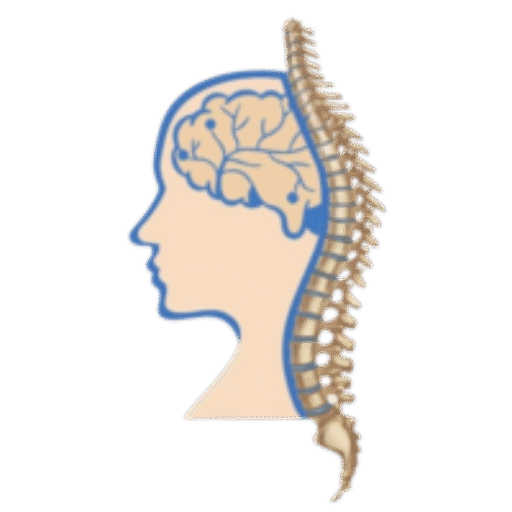

A child needs a neurosurgical evaluation when symptoms point toward the brain, spine, or nervous system, things like an unusually large head size in infants, persistent vomiting with headaches, seizures, delayed milestones, or sudden weakness in the limbs. These signs don’t always mean something serious, but they should never be brushed off as “just a phase.” Getting checked early is what makes the biggest difference in outcomes.
Parents often hesitate before booking a specialist visit for their child. It’s understandable. Nobody wants to overreact to a headache or a wobbly walk. But when it comes to a child’s developing brain and spine, waiting too long can turn a manageable condition into a complicated one. This article breaks down exactly which symptoms deserve attention, what Pediatric Neurosurgery in Indore actually treats, and what a first consultation typically looks like.
What Is Pediatric Neurosurgery?
Pediatric neurosurgery is a specialised branch of neurosurgery that focuses only on children, from newborns to teenagers. A child’s brain, skull, and spine are still growing, which means conditions that would be treated one way in an adult often need a completely different, more careful approach in a child. It covers a wide range of conditions, including:
- Hydrocephalus (fluid buildup in the brain)
- Congenital spine or brain defects present from birth
- Brain tumors in children
- Head injuries from falls or accidents
- Epilepsy that doesn’t respond to medication
- Spinal deformities like scoliosis in growing children
Signs Your Child May Need a Neurosurgical Evaluation
Not every symptom needs a specialist visit, and most childhood aches and pains resolve on their own. But certain signs are worth taking seriously, especially when they appear together or don’t improve within a few days.
Watch for these warning signs:
- An unusually fast-growing head size in infants (beyond normal growth curves)
- Persistent or worsening headaches, especially early morning ones with vomiting
- Seizures, even a single episode that hasn’t happened before
- Delayed developmental milestones like sitting, walking, or speech
- Sudden weakness, numbness, or loss of balance in the arms or legs
- Visible curve or asymmetry in the spine
- A soft spot on an infant’s skull that bulges or feels unusually tense
- Loss of bladder or bowel control after it was previously achieved
If your child shows even two or three of these together, it’s worth getting an opinion from a Neurosurgeon in Indore rather than waiting to see if it passes.
Why Early Evaluation Matters So Much in Children
A child’s nervous system is still forming, which is exactly why timely evaluation matters more here than almost anywhere else in medicine. Conditions like hydrocephalus or a spinal defect, if caught early, can often be managed with far simpler interventions and better long-term outcomes. The same condition diagnosed late might require more extensive treatment and a longer recovery.
There’s also a practical reason parents delay: young children can’t always describe what they’re feeling. A toddler with a headache might just seem cranky or refuse to eat, not clutch their head and say it hurts. This is why doctors rely heavily on behavioural changes, growth patterns, and developmental milestones rather than symptoms alone when assessing a child.
What Happens During a Pediatric Neurosurgical Consultation?
Parents are often unsure of what to expect walking into a first appointment. Here’s a general idea of how it usually goes:
- Detailed history – the doctor asks about pregnancy, birth history, developmental milestones, and family history
- Physical and neurological exam – checking reflexes, muscle tone, coordination, and head circumference
- Imaging if needed – an MRI, CT scan, or ultrasound (for infants) to get a clear picture of the brain or spine
- Discussion of findings – explained in plain language, without rushing parents into decisions
- Treatment plan – ranging from observation and physiotherapy to medication or surgery, depending on what’s found
Most consultations don’t end in a surgery recommendation. In many cases, evaluation simply confirms that a child’s development is on track, which itself brings enormous relief to parents.
Common Myths Parents Believe
A few misconceptions often keep families from seeking help sooner:
- “Seizures always mean epilepsy.” Not true. A single seizure can have several causes, and only a proper evaluation can tell the difference.
- “Surgery is the first option.” In reality, most pediatric neurological conditions are managed conservatively, and surgery is considered only when necessary.
- “A slightly large head is nothing to worry about.” Sometimes it isn’t, but it always deserves a check, since early hydrocephalus can look this way.
- “Developmental delays will just catch up on their own.” Some do, but ruling out an underlying neurological cause early prevents bigger complications later.
Frequent headaches aren’t limited to adults either, and children experience them more often than most parents realise. If your child complains of recurring headaches, this related read on when frequent headaches mean it’s time to see a specialist is a useful starting point to understand which patterns are worth flagging.
Why Choose a Specialist Experienced in Pediatric Cases
Not every neurosurgeon trains extensively in pediatric-specific care, and this matters because a child’s brain and spine respond differently to both illness and treatment compared to an adult’s. At Samarth Neuro Spine Centre, Dr. Sandeep Moolchandani brings specialised training in pediatric neurosurgery alongside his broader neurosurgical experience, allowing families to get an accurate, age-appropriate evaluation rather than a one-size-fits-all approach. As the Best Neurosurgeon in Indore for complex brain and spine cases, his approach with younger patients focuses on ruling out serious causes first, then choosing the least invasive path forward whenever possible.
Frequently Asked Questions
1. At what age can a child see a pediatric neurosurgeon?
There’s no minimum age. Pediatric neurosurgical evaluation can start from the newborn stage, especially for congenital conditions, and continues through the teenage years.
2. Is a seizure in a child always a medical emergency?
A first-time seizure should always be evaluated promptly, even if it stops on its own. It doesn’t automatically mean epilepsy, but the cause needs to be identified.
3. Can headaches in children be a sign of something serious?
Most childhood headaches are harmless, but headaches that wake a child from sleep, come with vomiting, or worsen over time should be evaluated by a specialist.
4. Does every child with a large head need treatment?
No. Head size varies naturally between children. Doctors track growth against standard curves over time, and only a consistent, abnormal growth pattern raises concern.
5. Is surgery always required for pediatric brain or spine conditions?
No. Many conditions are monitored or managed with medication and therapy. Surgery is recommended only when the condition is progressing or poses a clear risk.
6. How is pediatric neurosurgery different from adult neurosurgery?
It accounts for a child’s ongoing growth and development, using techniques and timing decisions that protect long-term brain and spine development, something adult neurosurgery doesn’t need to factor in.
Final Word
Trusting your instincts as a parent matters here. If something about your child’s development, movement, or behaviour feels off, it’s always worth a professional opinion rather than waiting it out. Most evaluations end with reassurance, and the ones that don’t are exactly why early evaluation exists in the first place.
If your child is showing any of the signs discussed above, don’t wait for them to worsen. Book a consultation with Dr. Sandeep Moolchandani at Samarth Neuro Spine Centre for a thorough pediatric neurosurgical evaluation and honest, clear guidance. Call +91-7000-11-5912 or book your appointment online today.