Yes, spine surgery can be safe for elderly patients, including those in their 70s and 80s, but safety depends far more on how well existing health conditions are managed than on age itself. Modern minimally invasive techniques have made outcomes for older patients considerably better than they were even a decade ago. The real question isn’t “is she too old for surgery,” it’s “is she fit enough for it right now.”
This is one of the most common concerns families bring to our team at Samarth Neuro Spine Centre, usually after watching a parent or grandparent struggle with chronic back or leg pain for months, sometimes years. Understanding what actually goes into this decision helps families ask the right questions instead of assuming surgery is automatically off the table.

Why Families Assume Surgery Isn’t an Option
There’s a common belief that spine surgery becomes too risky once a patient crosses 65 or 70. It’s an understandable worry, but it isn’t accurate on its own. Age is one variable among several, and it’s rarely the deciding one.
What actually determines whether Safe Spine Surgery in Indore is appropriate for an older patient includes:
- Overall cardiac and lung fitness for anaesthesia
- How well diabetes, blood pressure, or kidney conditions are controlled
- Bone density and the presence of osteoporosis
- The severity and progression of the spinal condition itself
- The patient’s current mobility and independence level
What Doctors Actually Evaluate Before Recommending Surgery
A responsible surgical decision for an older patient isn’t made in a single consultation. It usually follows a structured evaluation.
The typical process includes:
- Detailed medical history – reviewing existing conditions like diabetes, hypertension, or kidney disease
- Pre-anaesthesia fitness assessment – checking whether the patient can safely tolerate anaesthesia
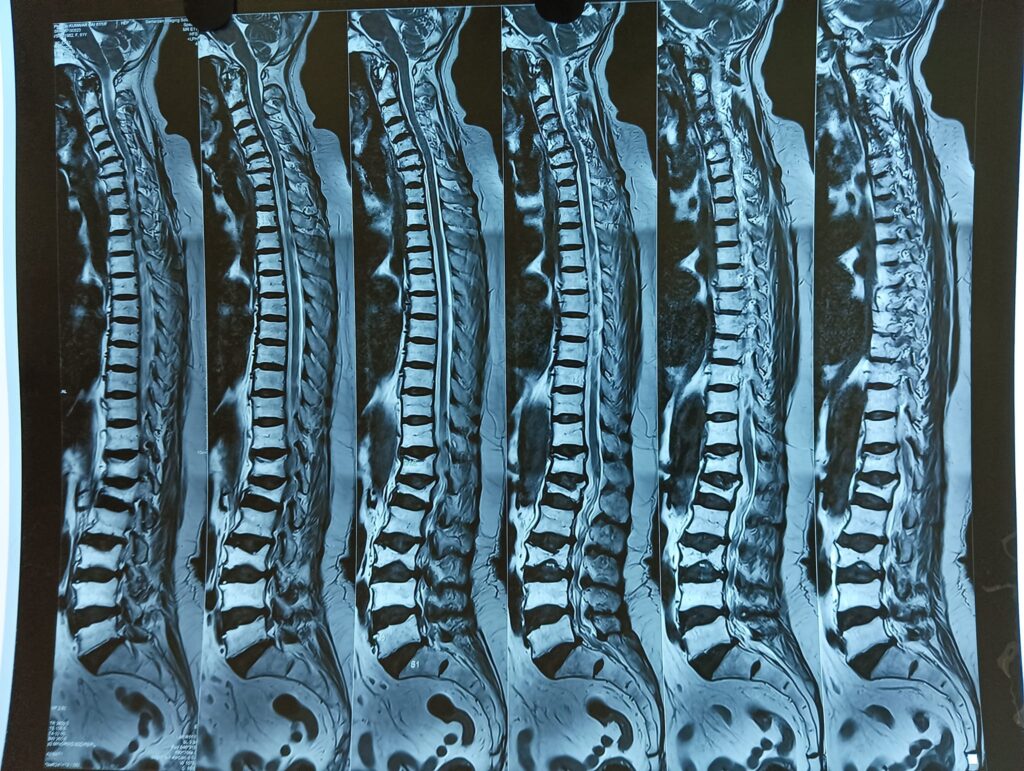
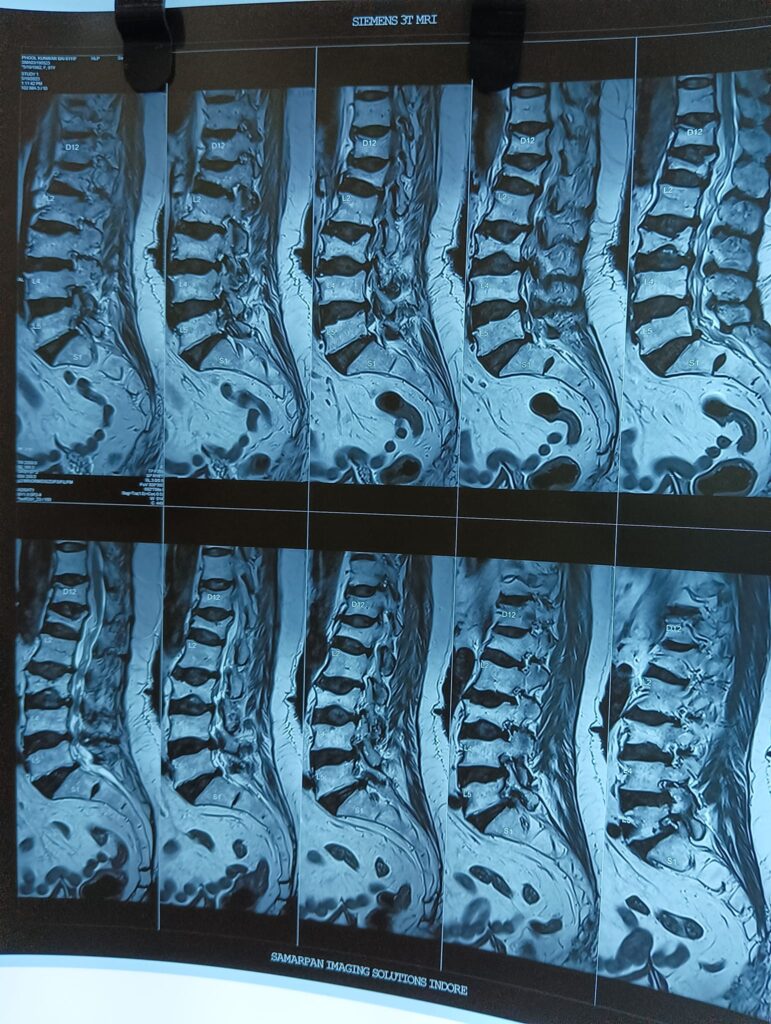
- Imaging – MRI or CT scans to understand exactly how severe the nerve compression or spinal degeneration is
- Bone health assessment – since osteoporosis affects surgical planning and recovery
- Specialist coordination – involving a cardiologist, nephrologist, or endocrinologist when relevant, so every condition is accounted for before surgery is scheduled
This last point matters more than people realise. Complex geriatric cases are rarely handled by a spine surgeon working alone.
What Makes Modern Spine Surgery Safer for Older Patients
Surgical approaches available today, in the hands of a Best Spine Surgeon in Indore, are considerably gentler than what existed even ten years ago, and this has changed the calculation for elderly patients significantly.
- Minimally invasive techniques reduce blood loss, tissue trauma, and hospital stay
- Smaller incisions lower infection risk, which matters more in patients with diabetes
- Faster mobilisation protocols get patients moving within a day or two, reducing complications like blood clots
- Targeted decompression procedures can relieve nerve pressure without more extensive fusion surgery in appropriate cases
When Surgery Genuinely Becomes Necessary, Regardless of Age
Some symptoms shift the conversation from “should we consider surgery” to “we shouldn’t wait any longer,” at any age.
These include:
- Loss of bladder or bowel control
- Progressive weakness in the legs
- Inability to walk even short distances without severe pain
- Symptoms that have failed to improve after a genuine trial of conservative treatment
Waiting too long in these situations doesn’t just prolong pain. Nerve damage from prolonged compression can become permanent, which is a very different conversation than simply managing discomfort.
Recovery: What to Realistically Expect at an Older Age
Recovery timelines are generally longer for older patients, and it’s worth setting expectations honestly rather than optimistically.
- Hospital stays may run slightly longer as a precaution, even after straightforward procedures
- Physiotherapy plays a bigger role in regaining strength and confidence in walking
- Bone health treatment often runs alongside recovery, particularly if osteoporosis was part of the diagnosis
- Family involvement and support at home meaningfully affects how well recovery goes
We’ve walked through exactly what this looks like in practice in our case study of a 68-year-old patient with diabetes and kidney failure who underwent successful lumbar spine surgery, worth reading if you want to see how this evaluation and recovery process plays out in a real, complex case.
Frequently Asked Questions
1. At what age does spine surgery become too risky?
There’s no fixed cut-off age. Fitness for surgery depends on how well existing conditions are controlled, not a specific number.
2. Can patients with diabetes or heart conditions still have spine surgery?
Often yes, once these conditions are stabilised and a specialist confirms the patient can safely tolerate anaesthesia and recovery.
3. What are the biggest risks of spine surgery in elderly patients?
Infection, slower wound healing, and complications related to existing conditions like diabetes or kidney disease are the main concerns, which is why pre-surgical optimization matters so much.
4. Is minimally invasive spine surgery better for older patients?
In many cases, yes. Smaller incisions and less tissue disruption generally mean lower complication rates and faster recovery for older patients specifically.
5. How long does recovery take for an elderly patient after spine surgery?
It varies by procedure and overall health, but many patients begin walking within a day or two, with fuller recovery over several weeks to months depending on bone health and mobility before surgery.
6. Should families get a second opinion if surgery was ruled out due to age?
Yes. Age alone shouldn’t be the sole reason surgery is dismissed. A thorough evaluation by a Spine Specialist in Indore can clarify whether it’s genuinely not an option or simply hasn’t been properly assessed.
Final Word
Age is a factor in this decision, but it’s rarely the deciding one. What actually determines whether surgery is safe is a clear-eyed evaluation of the patient’s current health, not a number on a birth certificate.
If you’re weighing this decision for yourself or a parent, don’t let assumptions about age make the call for you. Book a consultation with Dr. Sandeep Moolchandani at Samarth Neuro Spine Centre for an honest, evidence-based evaluation. Call +91-7000-11-5912 or book your appointment online today.