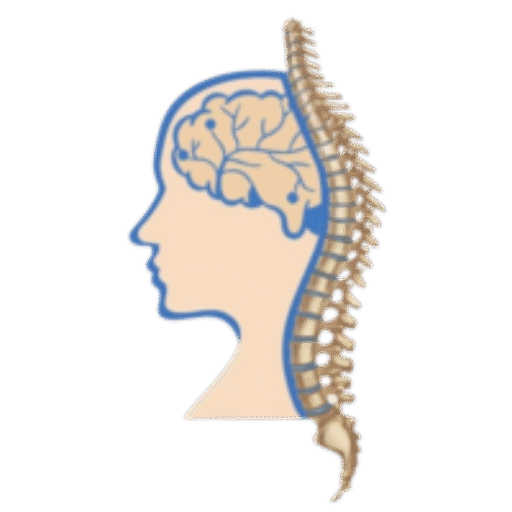

Foot drop is not a disease. It is a sign that the nerve or muscles that lift your foot are not working properly, and the right treatment depends entirely on what is causing it. When the cause is a spinal disc or a narrowed spinal canal pressing on a nerve, surgery to relieve that pressure can help, and the earlier it is done, the better the recovery tends to be. That is why Foot Drop Treatment in Indore starts with finding the cause, not with a brace or a painkiller.
If you have started tripping over your toes or dragging one foot, do not wait to see if it settles. Some causes respond well when caught early, and a few cannot wait at all. This guide explains what is behind it, how doctors find out, and where surgery fits.
What Foot Drop Feels Like
- Your toes catch the floor, so you lift your knee higher to clear them
- Your foot slaps the ground with each step
- You cannot lift the front of the foot or pull your big toe upward
- Numbness or tingling over the top of the foot or outer shin
- Back pain or leg pain that started before the weakness
- Frequent trips, especially on stairs or uneven ground
What Causes Foot Drop?
The muscles that lift your foot take their instructions from a nerve that begins in the lower spine, runs down the leg, and wraps around the outside of the knee. Damage anywhere along that route can cause foot drop.
- In the spine: A herniated disc at the L4-L5 level pressing on the L5 nerve root is the most common spinal cause. A narrowed spinal canal (stenosis), a slipped vertebra, or a spinal injury can do the same.
- In the leg: The peroneal nerve near the outer knee can be squeezed by long hours of crossing your legs, a tight cast, a knee injury, or prolonged bed rest.
- In the brain or spinal cord: A stroke or another nervous system condition can weaken the foot.
- In the nerves and muscles: Diabetes-related nerve damage and some muscle disorders can also be responsible.

Because foot drop sits between the spine, the nerves, and the brain, it needs Neurological Treatment in Indore that looks at the whole pathway, not just the foot. If your foot drop comes with back or leg pain, the spine is the first place to look. A real lumbar canal stenosis case from our clinic shows how far compression in the lower spine can affect walking.
How Foot Drop Is Diagnosed
Finding the level of the problem matters. Spine surgery will not help if the nerve is being squeezed at the knee, and knee treatment will not help if the disc is the culprit.
- Your history. When it started, whether it came on suddenly or slowly, any back pain, a recent fall, diabetes, and any change in bladder or bowel control.
- A hands-on examination. Ankle and big toe strength, walking on your heels, sensation, and reflexes. Weakness in turning the foot inward usually points toward the spine, because the nerve at the knee does not normally control that movement.
- MRI of the lumbar spine. This shows whether a disc or narrowed canal is pressing on a nerve root, and whether it matches the weak muscles.
- Nerve conduction study and EMG. These tests help separate a pinched nerve root from a squeezed nerve at the knee.
- Brain imaging. Only when the pattern suggests a stroke or another brain cause.
Is your foot dragging? Do not wait it out.
Foot Drop Treatment Without Surgery
Not every case needs an operation. A mild foot drop from a recent disc problem can improve as the swelling around the nerve settles.
- Watchful monitoring with regular strength checks, so a worsening foot is caught early
- An ankle-foot brace that keeps your toes lifted and prevents tripping while the nerve recovers
- Physiotherapy for ankle strength, balance, and walking. Patients who plateau on standard therapy may benefit from robotic physiotherapy, which gives precise, repeatable movement practice
- Treating the root cause, such as controlling blood sugar or avoiding pressure on the knee nerve
- Medicines or targeted injections for nerve pain that comes with it
Nerves heal slowly, roughly a millimetre a day, so improvement is measured in weeks and months, not days.
When Does Surgery Help Foot Drop?
Surgery helps most when the cause is in the spine, the MRI shows clear pressure on the nerve, and that pressure matches the weak muscles. Timing matters. A 2022 meta-analysis of 312 patients found better recovery when decompression was done within a month of foot drop starting than when it was delayed. A study of 60 patients found that 80% of those operated on within 72 hours regained full ankle strength, compared with 45% of those operated on later. The later group still did well, though: 80% of them regained good strength. A delay is not the end of the road, but earlier is better.

In practice, Spinal Decompression Surgery in Indore for foot drop means removing the disc fragment or bone pressing on the nerve, through procedures such as microdiscectomy or laminectomy. If a disc is the cause, our page on disc prolapse surgery explains the options.
Surgery is usually considered when:
- The weakness is severe or getting worse
- MRI shows compression at the level that matches your symptoms
- Pain is intense, or symptoms have not improved after a short trial of conservative care
Surgery is unlikely to help when the cause is a squeezed nerve at the knee, a stroke, or diabetic nerve damage. Those need a different approach. No surgeon can promise full recovery, and long-standing foot drop with wasted muscle is less likely to recover completely.
Signs That Need Urgent Attention
- Foot drop with loss of bladder or bowel control, or numbness around the groin and inner thighs: This can signal severe nerve compression and needs same-day care.
- Sudden foot drop with a drooping face, slurred speech, or arm weakness: Go to a hospital immediately, as this may be a stroke.
- Weakness that is worsening over days: Do not wait for a routine appointment.
- Foot drop after a fall, road accident, or sports injury: A Spine Injury Specialist in Indore should check your spine as soon as possible.
Who Should You See for Foot Drop?
Foot drop crosses several fields, so patients are often passed between a neurologist, an orthopedic doctor, and a surgeon. It saves time to start with someone who can examine the whole nerve pathway, order the right scans, and tell you honestly whether surgery is needed. A Neurosurgeon in Indore who also manages non-surgical neurological problems can do exactly that.
At Samarth Neuro Spine Centre, Dr. Sandeep Moolchandani evaluates the cause first and recommends surgery only when it is likely to help. When rehabilitation is needed, he works alongside physiotherapist Dr. Shivani Raikwar.
Frequently Asked Questions
1. Can foot drop be cured?
It depends on the cause. When the pressure on the nerve can be removed, as with a herniated disc, many patients regain much or all of their ankle strength. When the nerve, brain, or muscle is permanently damaged, treatment focuses on bracing, rehabilitation, and sometimes tendon transfer surgery to restore function.
2. What is the most common cause of foot drop?
Two causes are especially common: a pinched L5 nerve root in the lower spine, usually from a herniated disc at L4-L5, and compression of the peroneal nerve near the outer knee.
3. Can foot drop go away on its own?
Mild foot drop from recent nerve irritation can improve as swelling settles, but there is no way to know at the start which cases will. Weakness that is severe or worsening should be examined, not waited out.
4. How long can I wait before surgery stops helping?
There is no fixed cut-off, but earlier is better. Research suggests decompression within about a month of onset gives better recovery than waiting longer, and some studies show the best results within days. Later surgery can still help, so a delay is not a reason to give up.
5. Does foot drop mean the nerve is permanently damaged?
Not necessarily. A compressed nerve can stop working properly and then recover once the pressure is removed. Severe, long-lasting compression can cause lasting damage, which is why timing matters.
6. Which doctor treats foot drop?
A neurologist, neurosurgeon, or orthopedic surgeon can all be involved. If a spinal cause is suspected, a neurosurgeon or spine surgeon is usually the right person to examine you and read your MRI.
7. How long does recovery take after foot drop surgery?
Nerve pain often eases soon after surgery, but strength returns slowly because nerves heal about a millimetre a day. Gains commonly show over weeks to months and can continue for a year or more, supported by physiotherapy.
8. Will I need a foot drop brace forever?
Usually not. A brace is often temporary, used while the nerve recovers. It becomes long-term only if the weakness turns out to be permanent.
Final Word
A foot that will not lift is a signal worth acting on, not a quirk to live with. Many causes are treatable, and the ones where timing matters most are exactly the ones that reward a quick answer. If you are searching for a Nerve Pain Specialist in Indore because of a dragging foot, get the cause confirmed before deciding anything else.
| Ready for a clear answer about your foot drop? Book Your Consultation at Samarth Neuro Spine Centre Or call +91-7000-11-5912 to speak with our team. |