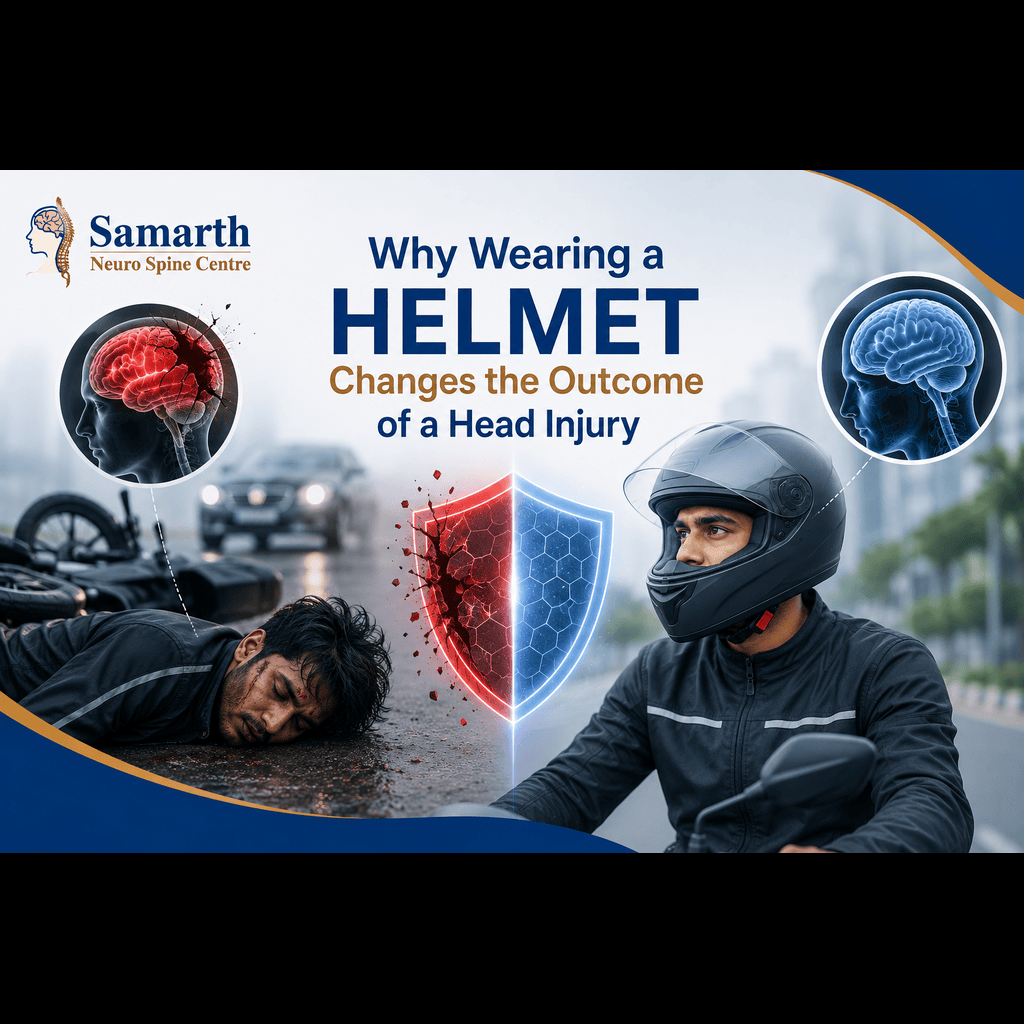
A helmet doesn’t prevent every accident, but it consistently reduces the severity of the resulting head injury. In cases without a helmet, the same fall or collision that might cause a mild concussion with protection can instead result in a skull fracture or serious brain trauma. This isn’t a scare tactic, it’s a pattern seen consistently in emergency and neurosurgical care.
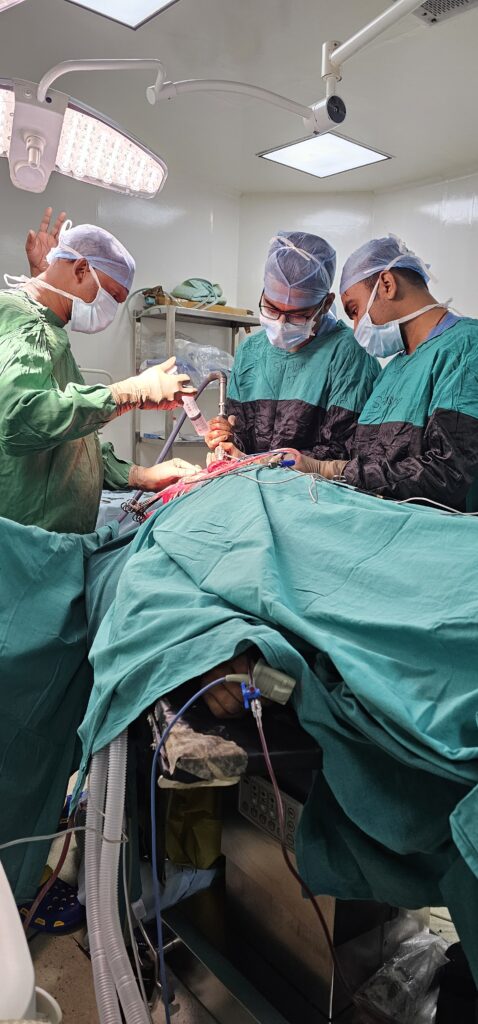
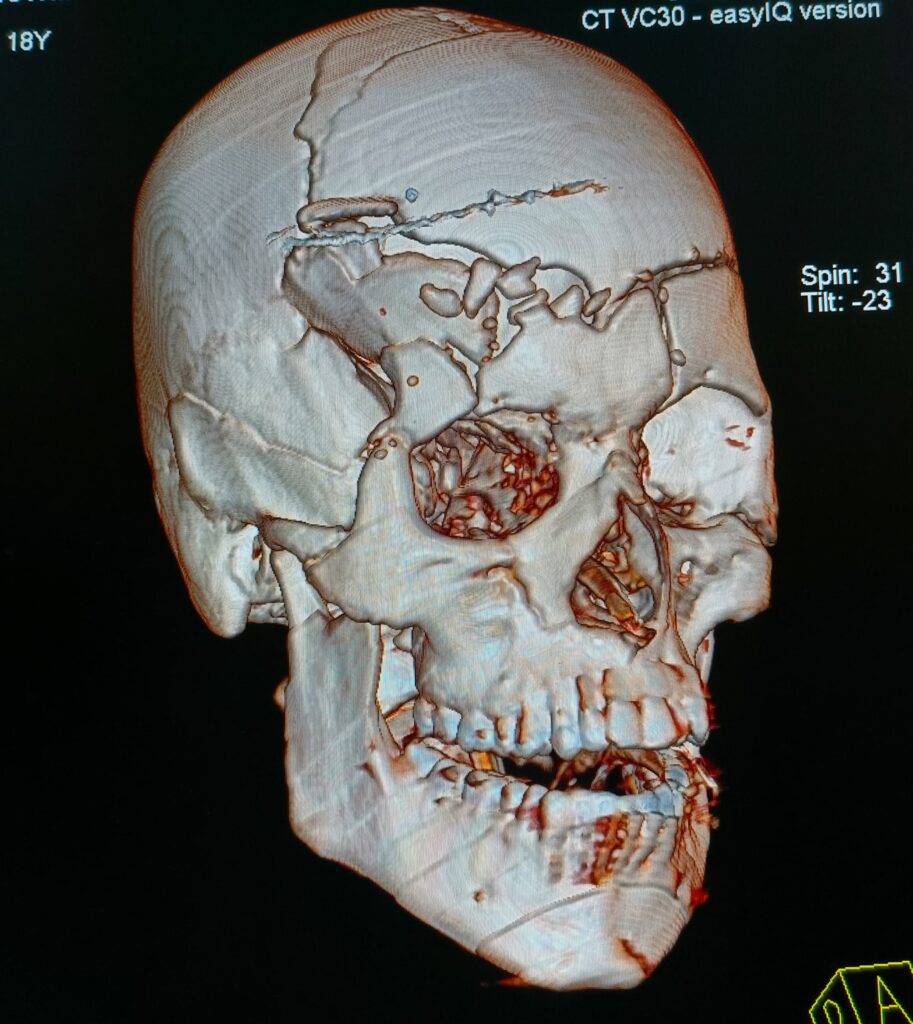
What Happens to the Head During Impact
When the head strikes a hard surface, two things happen almost simultaneously, the skull absorbs the direct force of the blow, and the brain, which floats in fluid inside the skull, continues moving briefly even after the skull stops. This second movement is what causes the brain to strike the inside of the skull, leading to bruising, bleeding, or tearing of delicate tissue.
A helmet doesn’t stop this second movement entirely, but it significantly reduces the force that reaches the skull in the first place, which in turn reduces how violently the brain moves inside it. This is the actual mechanism behind why helmeted accidents so often result in less severe outcomes than unhelmeted ones, even at similar speeds.
What a Helmet Actually Does
A helmet is built to absorb and spread out the force of an impact before it reaches the skull. Without one, that same force transfers directly to the head, which is why the injury pattern looks so different between helmeted and unhelmeted patients involved in otherwise similar accidents.
What changes without helmet protection:
- The skull absorbs the full force of impact directly
- Risk of skull fracture rises significantly
- Brain contusions and bleeding become more likely
- Even lower-speed falls can result in serious injury
The Range of Injuries We See
Head injuries exist on a spectrum, and where someone lands on that spectrum often depends heavily on whether they were wearing a helmet.
Common injury types without helmet protection:
- Skull fractures – ranging from small hairline cracks to fractures that press inward on the brain
- Traumatic brain injury (TBI) – can affect memory, movement, and cognitive function, sometimes permanently
- Concussion – often called “mild,” but repeated concussions can carry long-term consequences
- Intracranial bleeding – blood collecting inside the skull, which can quickly become life-threatening without treatment
Not every unhelmeted accident results in the most severe outcome, but the odds shift considerably, and that shift is what makes the difference between a scare and a life-altering injury.
Choosing a Helmet That Actually Protects You
Not every helmet offers the same level of protection, and this matters just as much as the decision to wear one at all.
What to look for in a properly protective helmet:
- A certification mark confirming it meets recognized safety standards
- A snug fit that doesn’t shift when you move your head
- No visible cracks, dents, or damage from a previous fall or impact
- Full-face coverage for higher-speed riding, since open-face helmets protect less of the skull
A helmet that’s damaged, loose, or uncertified provides far less protection than it appears to, which is worth checking before assuming any helmet is doing its job.
When to Seek Immediate Care
Even a seemingly minor accident deserves attention if the person wasn’t wearing a helmet. Watch for confusion, repeated vomiting, worsening headache, or any loss of consciousness, and don’t wait to see if it passes.
We’ve written a more detailed breakdown of exactly what to do in the minutes after any head injury in our head injury first aid guide, worth reading before you need it, not after.
If a serious injury has already happened, prompt evaluation by a Head Trauma Specialist in Indore is what determines whether the outcome stays manageable or becomes something far more serious.
What This Means for You
- Helmets meaningfully reduce the severity of head injuries, even when they don’t prevent the accident itself
- The same accident can produce very different outcomes depending on helmet use
- Getting seen by a Brain Doctor in Indore promptly after any significant impact, helmeted or not, is what protects long-term recovery, and consistent Brain Injury treatment Indore outcomes depend far more on how early that evaluation happens than on how the injury occurred
Frequently Asked Questions
1. Can a helmet fully prevent a head injury?
No, but it significantly reduces the severity of injury by absorbing and distributing impact force before it reaches the skull.
2. Is it necessary to see a doctor even if I feel fine after a fall without a helmet?
Yes, especially with any period of confusion, vomiting, or memory gaps. Some serious injuries don’t show obvious symptoms right away.
3. Do all head injuries require surgery?
No. Many mild to moderate injuries are managed with observation and rest. Surgery becomes necessary for significant bleeding, fractures affecting the brain, or rising pressure inside the skull.
4. What increases the severity of a head injury the most?
Speed of impact, whether protective gear was worn, and how quickly the person receives medical care all significantly affect outcome severity.
5. Does the type of helmet matter, or is any helmet good enough?
Yes, it matters. A certified, well-fitted, undamaged helmet offers meaningfully more protection than a loose, cracked, or uncertified one, even though both may look similar from the outside.
6. Can a helmet still leave you with a serious injury?
Yes. Helmets reduce severity, they don’t guarantee a mild outcome. High-speed impacts can still cause significant injury even with a helmet on, which is why any accident involving a head impact deserves medical evaluation.
Final Word
Wearing a helmet is one of the simplest, most effective ways to change the outcome of an accident before it even happens. If an accident has already occurred, whether a helmet was worn or not, prompt evaluation is what protects long-term outcomes from here. For anyone searching Neurosurgeon Near Me after an accident in Indore, that evaluation should happen the same day, not once symptoms get worse.
For urgent evaluation after a head injury, call Samarth Neuro Spine Centre at +91-7000-11-5912.